Build a Winter Car EDC That Actually Works
Winter strands drivers for simple, preventable reasons. A focused car EDC keeps you warm, moving, and safe when temps drop—especially in Upstate New York conditions.
What you’ll get:
- A four-part kit plan with specific items and packing tips
- Practical habits to make the gear useful when you need it
- A short list of easy misses that cause big headaches
Start with a carry system that fits the car
A compact duffel keeps the core loadout together and easy to grab. If it converts to a backpack, even better—you can carry it out if you have to leave the vehicle. Use exterior MOLLE only if it adds function; most items can live inside to stay low-profile.
Tool the bag for common access: winter wear in the shoe pocket, first-aid up front, small loose items in mesh or zip pouches so they don’t scatter.
Warmth and comfort prevent emergencies
- Stash an extra hat, gloves, and socks. Treat these as backups to what you’re already wearing.
- Add a waterproof blanket for warmth in the car or on cold bleachers. Keep it separate if it won’t pack down neatly—speed of access matters more than one-bag purity.
- Hand warmers and emergency thermal blankets are tiny wins: fast heat plus heat retention.
ToolList items must reflect exact names used here:
Tools & Materials
Disclosure: Some links may be affiliate links. I try to list tools and materials used or discussed in the project, with search links when an exact item is not available.
Emergency and safety: power, nav, and basics
- Battery jump pack: keep it charged on a schedule, or it’s a paperweight. The NOCO GB40 is a solid pick for typical vehicles.
- Paper map still matters if your phone dies. Download offline maps ahead of time, but store a fold-out map as the last-resort layer.
- First-aid: right-size it. Move bandages, meds, gloves, and gauze into compact admin pouches so they’re easy to grab and restock.
Tools & Materials
- NOCO GB40 Jumper Box ↗
- Rand McNally Map of New York ↗
- 2 Pack Tactical Admin Pouch ↗
- Medic Morale Patch ↗
Disclosure: Some links may be affiliate links. I try to list tools and materials used or discussed in the project, with search links when an exact item is not available.
Pro tip: Label small meds/creams in mini baggies. Group by use (pain relief, wound care) so you’re not digging with cold hands.
Survival basics that fix small problems fast
- Duct tape and 12’ zip ties handle rattles, loose trim, and temporary fixes. Split a big pack of ties between vehicles.
- A compact tool roll with pliers, cutters, screwdrivers, and hex keys covers grab, cut, turn, and pry.
- Keep a couple energy bars for simple calories while you wait.
Tools & Materials
Disclosure: Some links may be affiliate links. I try to list tools and materials used or discussed in the project, with search links when an exact item is not available.
Pack the tool roll tight so tools don’t migrate. If items slide out, add elastic or smaller inner pouches.
Winter-specific tools for snow days
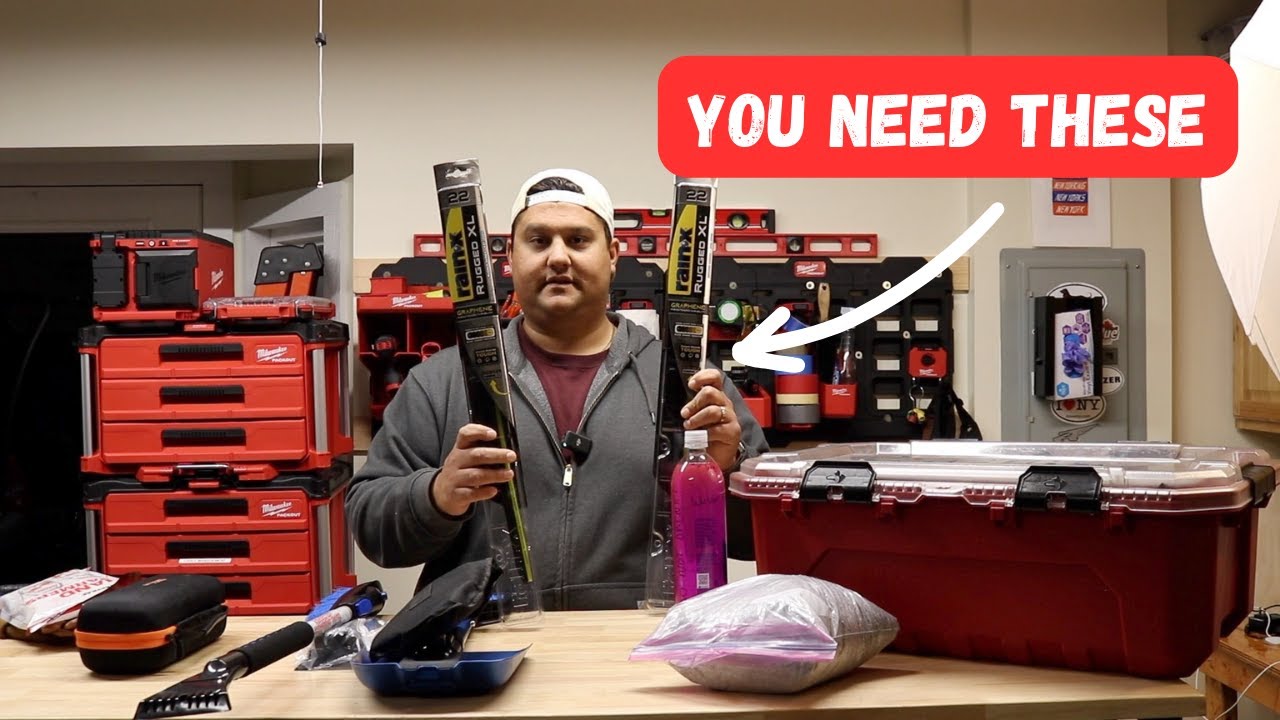
- Snow brush/ice scraper and a telescoping shovel live in the vehicle, not the bag. They’re bulky but essential for clearing and digging out.
- Kitty litter boosts traction when stuck. Double-bag it to contain dust and keep it resealable.
- Extra washer fluid rides along; you’ll burn through it faster in winter. Mark the bottle clearly.
Tools & Materials
Disclosure: Some links may be affiliate links. I try to list tools and materials used or discussed in the project, with search links when an exact item is not available.
Maintenance matters: set a calendar reminder to recharge the jump pack, rotate snacks, and restock first-aid. After the first storm, review what you actually used and tune the loadout.
Bottom line: Build a compact, four-part kit and keep it maintained. The goal is simple—stay warm, handle the common failures, and get home safely.